
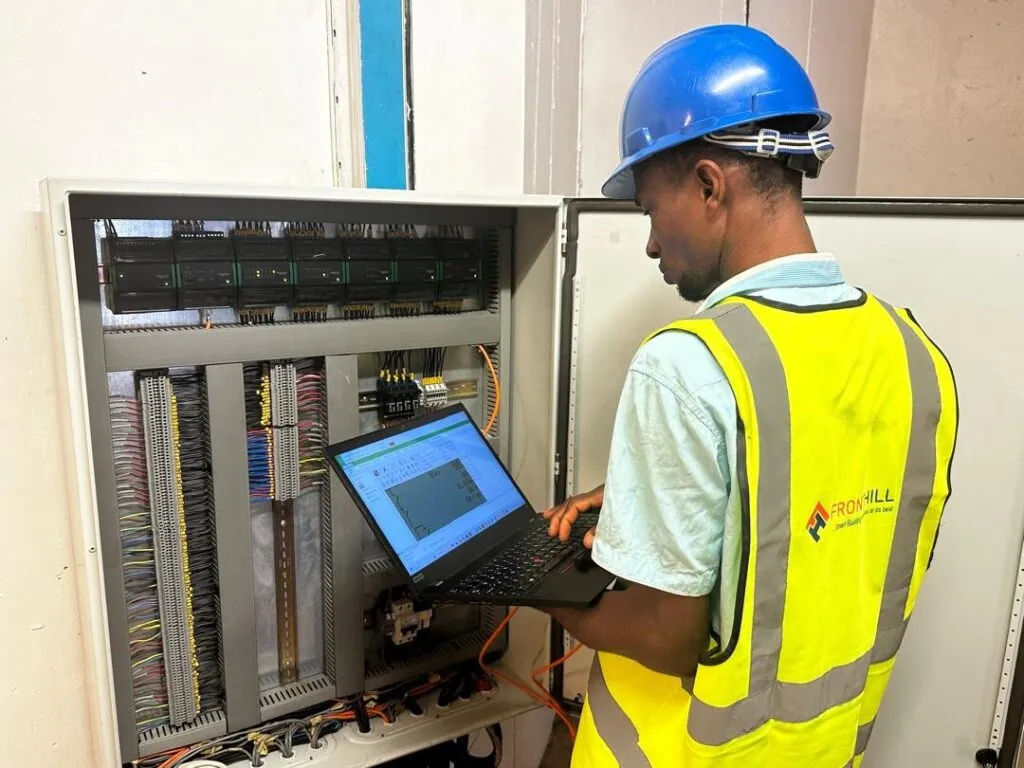

Smart Tenant Billing Nigeria: The Hidden Revenue Loss in Multi-Tenant Buildings
Across Nigeria and Sub-Saharan Africa, many commercial and mixed-use buildings still rely on estimated utility billing.
This approach creates a consistent and measurable problem.
Smart tenant billing in Nigeria is not just about installing meters. It is about:
- Protecting recoverable revenue
- Ensuring billing transparency
- Establishing trust between landlords and tenants
A fair energy bill is not determined by tariff alone. It is determined by accurate measurement and clear allocation.
Why Tenants Dispute Energy Bills in Nigeria
Most billing disputes in Nigeria are not caused by excessive energy usage.
They are caused by a lack of visibility and trust.
When consumption is not properly measured:
- Tenants question bill accuracy
- Payments are delayed or contested
- Property managers lose recoverable income
- Credibility is weakened
The issue is not consumption. It is measurement integrity.
What Happens Without Smart Tenant Billing in Nigeria
Buildings operating without smart tenant billing in Nigeria face predictable operational and financial challenges:
- Estimated billing instead of actual usage
- High-consuming tenants subsidized by low users
- No accountability for energy behaviour
- Limited insight into cost drivers
- Reduced net operating income (NOI)
This problem is widespread across Sub-Saharan Africa, where rising energy costs and diesel reliance increase financial exposure.
If you cannot measure per tenant, you cannot bill per tenant.
How Smart Tenant Billing Nigeria Works
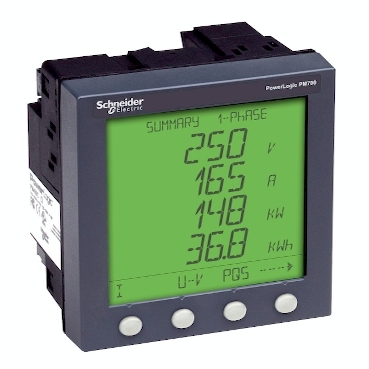
Smart tenant billing in Nigeria is enabled through sub-metering systems.
This provides:
- Accurate per-tenant energy measurement
- Fair allocation of shared loads
- Transparent billing structures
- Immediate identification of high-energy users
The transition is straightforward: From estimated billing to precise, data-backed billing.
Smart Tenant Billing Nigeria with BMS Integration
When integrated with a Building Management System (BMS), smart tenant billing evolves into a strategic control system.
Key Capabilities
- Real-time tenant energy dashboards
- Automated billing processes
- Load profiling by tenant and zone
- Accurate energy cost recovery
- Data support for green lease agreements
At this level, billing is no longer administrative. It becomes a core part of asset performance management.
Measurable Outcomes Across Nigeria and Sub-Saharan Africa
Well-designed smart tenant billing systems consistently deliver:
- Full cost transparency across tenants
- 5–15% reduction in energy consumption (behaviour-driven)
- Improved accountability and usage discipline
- Higher utility cost recovery rates
- Reduced billing disputes and faster payments
In high-cost energy environments like Nigeria, these outcomes directly improve profitability.
Industry Perspective on Energy Measurement
Guidelines from the International Energy Agency emphasize that accurate measurement is essential for improving energy efficiency in commercial buildings.
Similarly, standards from ASHRAE highlight sub-metering as a critical component of building performance optimization.
Why Smart Tenant Billing Is a Financial Strategy
Smart tenant billing is often treated as a utility function.
In reality, it is a revenue assurance system.
Without it:
- Energy costs are partially unrecovered
- Billing disputes disrupt cash flow
- Waste remains invisible
With it:
- Revenue becomes fully recoverable
- Billing is transparent and defensible
- Building operations become financially efficient
Final Insight
Across Nigeria and Sub-Saharan Africa, buildings are not losing money because energy is expensive.
They are losing money because energy is not accurately measured and allocated.
How much revenue is your building currently losing through estimated billing?
Fronthill Controls designs and deploys:
- Accurate sub-metering systems
- Transparent tenant billing frameworks
- Integrated energy monitoring solutions
Regulatory and Compliance
As Nigeria’s commercial real estate market matures and international tenants bring ESG reporting requirements, the ability to provide verified, metered energy consumption data is becoming a tenancy expectation.
Sub-metering also enables building owners to access certain energy efficiency financing instruments that require demonstrable consumption measurement and verification.
End energy billing disputes and provide your tenants with the consumption transparency they need. Book a Consultation to Assess Your Tenant Billing System